
Heat-Related Illness (HRI): What Every Dog Owner Must Know
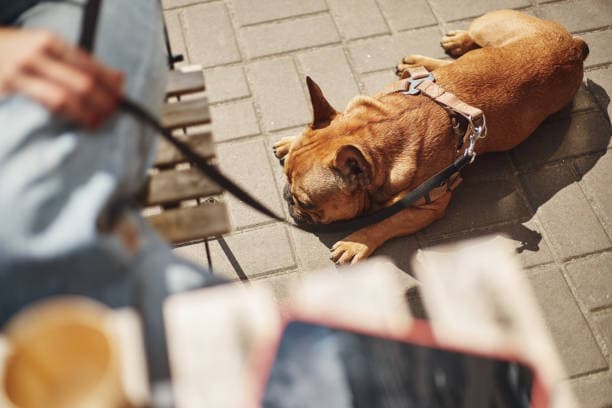
Your Dog Doesn't Need a Hot Car to Get HRI
Every summer we hear the same message about not leaving dogs in hot cars, and that's absolutely valid, but it's only a small part of the picture. A 2020 study published in the journal Animals looked at the veterinary records of over 905,000 dogs in the UK. Within those records, there were 1,259 cases of heat-related illness (HRI). Being left in a hot vehicle accounted for only 5% of cases, while nearly three quarters were caused by exercise. Exercise-related HRI affected ten times more dogs, and caused eight times more deaths, than vehicle confinement. I firmly believe most dog owners would be surprised to hear that.
It doesn't need to be a hot day
Most of us associate HRI with hot weather, but that's not what the data shows. Exercise-related HRI was recorded year round, with cases on days as mild as 16°C and even one case recorded at just 3°C. In Ireland we regularly hit 16°C from April through to October (including overcast days) so this is relevant for most of the year, not just the height of summer.
Dogs also take about four to six weeks to acclimatise to changes in temperature, so those first milder weeks in spring can actually catch them out more than the middle of summer when their bodies have had a chance to adjust.
It's also worth knowing that the temperature on your weather app is measured in the shade at a weather station. If your dog is out walking on tarmac or in direct sun, the actual temperature they're experiencing is going to be higher than what your phone says.
Most cases happen on a regular walk
Of the exercise-related cases in the study, 67.5% happened during a normal walk, with another 17.6% while running or cycling with the dog, and about 14% during play. So this isn't something that only happens in unusual or extreme circumstances. It's happening during the most ordinary activity of the day for most dogs, when owners would probably least expect it.
Arousal overrides self-regulation
When dogs are in a heightened state of arousal, whether that's excitement, stress or high drive, they don't self-regulate very well. A dog chasing a ball on a warm day isn't making a conscious decision that they're fine to keep going. Their arousal is overriding the signals their body is sending them to stop. Simply exhausting a dog with intense physical exercise doesn't make them better at managing themselves either. It actually reduces their sensitivity to pain and physical cues, which makes them more likely to push through when they shouldn't.
The early signs to watch for are heavy panting, difficulty breathing, lethargy, and any change in your dog's willingness to keep going. If you notice any of these, stop where you are rather than trying to finish the walk.
What to do if it happens
Even mild signs should be treated as an emergency. Research has shown that without cooling measures before reaching the vet, nearly half of dogs with HRI died, but the risk dropped dramatically when cooling was started earlier.
Move your dog to shade or indoors and pour cool water over their coat. There's a common myth that you should only use lukewarm water, but there's very little evidence that cold water causes problems. Cold tap water works well, so just use what's available and don't waste time trying to find (or make) ice water. If you have wet towels available, place them under the dog rather than over them, because covering them will trap heat in. It's very important that you keep cooling them with fresh cold water on the way to the vet, as it doesn't take long for the body to warm up the water you poured over them earlier, and therefore insulate the dog further. Also keep in mind that the back seat or boot of the car is usually a good bit warmer than the front, so open the windows to keep air flowing, or turn the air conditioning on if available.
Even if your dog seems to recover and looks well afterwards, they still need to see a vet. HRI can cause complications that aren't immediately obvious so please don't take any chances.
Simple things you can do
As the weather gets warmer, walk in the morning rather than the evening. Temperatures drop overnight so mornings are cooler, but the ground holds heat through the evening even when the air feels pleasant. Woodland walks are a good option on warmer days because of the natural shade and cooler ground.
Make sure your dog has proper access to water and shade wherever they are. On warmer days, a shorter walk with some recreational sniffing or enrichment at home can be just as valuable as a longer outing and far safer. Scatter feeding, frozen enrichment and sniffing games all give your dog meaningful mental stimulation without raising their body temperature. Balancing physical exercise with calmer activities like sniffing and settling is better for your dog anyway, regardless of the weather.
If you have a flat-faced breed, an older dog, a heavier dog, or a young dog with a lot of drive, you must be very mindful about how much you're asking of them as conditions get warmer. However even if your dog doesn't meet any of these descriptions, don't let that give you a false sense of security as this really applies to all dogs.
Advocate for your dog in places like the vet or the groomers. If you notice your dog appears to be getting hot ask your vet to open the window or turn off the heat. Don't wait for the vet or groomer to notice, take the initiative and make the request to stay on the safe side.
Worth a read
The full study is free to access online and I highly encourage anyone reading this to have a look at it. It's an interesting read and the more we know about this, the better decisions we can make for the sake of our dogs' lives. Spread awareness and share this post with a fellow dog owner!