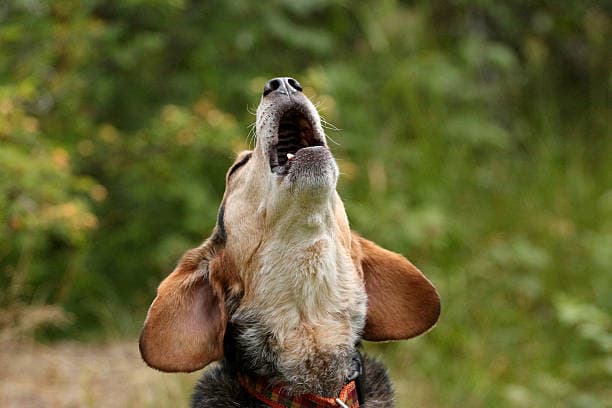
What Your Dog Is Telling You: Reading Body Language
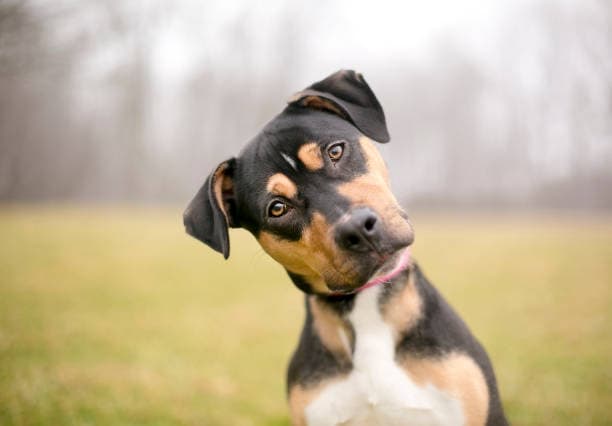
What Your Dog Is Telling You: Reading Body Language
Your dog is communicating with you all day long. Every ear flick, weight shift, and slow blink is a form of communication that so many pet owners have never learned to pay attention to.
Dogs of course can't speak, so their body is their primary language, and they use it with real precision and consistency. Once you start noticing these signals, you'll catch the moment your dog becomes uncomfortable before anything escalates. When you reach this stage as a pet owner, your bond and relationship with your dog strengthens and improves so much more than you might realise.
Most Communication Is Non-Verbal
The bulk of what dogs express happens through posture, facial expression, and movement. They evolved alongside humans for thousands of years, which makes them incredibly skilled at reading us too. Without a doubt, they read us far better than we read them.
The trouble is that we rely so heavily on spoken language ourselves. We default to listening for barks, whines, or yelps, and we overlook the quieter, more subtle signals happening right in front of us. When a dog has been giving subtle stress signals for twenty minutes and then snaps, the owner says it came out of nowhere when in reality, it practically never does. It was, in fact, a long time coming.
The "Guilty Look" Isn't Guilt
We've all seen the social media videos of the owner coming home to find a chewed shoe, or a tipped-over bin, and the camera pans to their dog slinking away with a lowered body and averted gaze. This is often interpreted as a guilty act, but it's actually appeasement behaviour.
Research has shown that dogs display these signals in response to the human's body language and the tension they pick up on when the human walks through the door. In studies, dogs showed the "guilty look" even when they hadn't done anything wrong, as long as the owner seemed upset (remember, they read us incredibly well). Understanding this changes how you respond, because interpreting appeasement as guilt often leads to punishment, which increases anxiety, which makes behaviour worse. Think about it: if you assume your dog feels guilty, you may reason that they "knew what they were doing" and justify an undeserved punishment.
Stress Signals Worth Knowing
Dogs display a range of subtle signals when they're experiencing stress, and recognising them early is one of the most useful skills you can develop as an owner. While the behaviours outlined below do fall under the umbrella of stress signals, that doesn't necessarily mean every instance indicates stress. A yawning dog may just be tired - but we want to take note of these behaviours as part of the full picture.
Lip licking outside of a food context, a quick flick of the tongue over the nose often indicates mild stress. Real world example: you may see it during greetings with unfamiliar people.
Yawning outside of a rest context, this is a well-documented stress signal. Real world example: a dog who yawns repeatedly during a training session may be finding the experience overwhelming rather than boring.
Whale eye is the term for when you can see the whites of your dog's eyes in a crescent shape, usually because they've turned their head away but are still tracking something with their gaze. It often shows up when a dog is guarding something or feeling uneasy. Real world example: You may see this when looming over a dog who is backed into a corner.
Panting when your dog isn't hot and hasn't been exercising is a good stress indicator. Heavy, rapid panting with tension in the face is particularly worth noting. Real world example: you may see this in dogs that are in the middle of a large crowd making noise, such as when people bring their dogs to a protest.
Shaking off is when your dog does a full-body shake like they've just come out of water, but they're completely dry. This is often a way of resetting after something stressful. Real world example: you may see this on your dog's walk, if they have just been barked at by another dog. I often found myself saying "yup, shake it off!" to my dog when he would do this as we carried on our walk after a mild stressor such as this.
Remember, none of these signals on their own means your dog is in crisis. You don't need to worry every time your dog shakes off or yawns, but when you see several of them clustered together, or they keep appearing in the same context, your dog is telling you something important about how they feel, so let's listen to them!
Tails, Ears, and Weight
Contrary to popular belief, a wagging tail doesn't automatically mean a happy dog. Tail wagging indicates arousal, not necessarily happiness. A dog can wag their tail while feeling anxious, conflicted, or on edge.
A tail at a neutral position, wagging in broad, loose sweeps with the whole back end swinging, generally means relaxed and friendly. A tail held high and stiff with short, rapid movements is very different; that dog is in a state of high arousal and could be feeling confident, alert, or potentially threatened, whereas a tail tucked low or between the legs is more indicative of fear or anxiety (you will most likely see this when at the vet's).
Ear position varies between breeds, but the principle is the same: changes from their neutral position carry meaning. Ears pushed forward indicate alertness or arousal. Ears flattened back against the head generally signal fear or appeasement.
Where your dog carries their weight is a huge tell of how they are feeling. Weight shifted forward means they're moving toward something, whether out of confidence or intent. Weight shifted backward means they want more distance. Look through the photos of you and your dog on your phone. Does your dog look like they're leaning towards you (distance-decreasing behaviour) or subtly leaning away from you (distance-increasing behaviour)? And if your dog freezes completely, body rigid and still, that's a signal that warrants immediate attention. Freezing often comes right before a bigger response, so we need to read their language accurately enough that we can respond long before the dog gets to this point.
Why You Should Never Punish a Growl
Dogs typically move through a predictable sequence when they're increasingly uncomfortable. This is referred to as the ladder of aggression. It starts with quiet signals like blinking, lip licking, and turning away. Effectively, our dogs are being very polite by asking nicely for space in this way. If those signals get ignored, they will seek relief from the situation by walking away (if possible), crouching, or tucking their tail. If those behaviours still don't work, and the dog doesn't get relief from the stressor, then comes stiffening, a hard stare, and then growling.
When people say a dog bit "without warning," it almost always means the earlier warnings were missed, or the dog learned those signals didn't work.
A growl is valuable communication. Your dog is clearly saying they're uncomfortable and want something to stop. Punishing a growl teaches the dog that growling doesn't help, but it doesn't change the underlying emotion. The dog still feels uncomfortable, they just stop warning you first. That's how you end up with a dog who seems to go from calm to biting with no in-between, because you've removed the middle steps.
If your dog growls, calmly remove them from the situation and then work on addressing the underlying issue with a trainer.
Common Misreadings
Rolling over isn't always an invitation for belly rubs. A dog who rolls over with a tense body, tucked tail, and averted gaze is often showing appeasement. They're saying they're not a threat and would like the interaction to stop.
Face licking is often read as affection, but it can also be appeasement behaviour. A dog who licks your face when you lean over them may be politely asking you to back up. This is sometimes referred to as a "kiss-off" behaviour!
How to Get Better at This
The best way to improve is to spend time watching your dog in different situations without intervening. Start when they're relaxed at home. Learn what their neutral state looks like: their default ear position, tail carriage, facial expression, and breathing rate. That becomes your baseline, and once you know what relaxed looks like, deviations become much easier to spot.
Then observe them in mildly challenging situations. What happens when the doorbell rings? How do they change when they see another dog on a walk? You're not looking for dramatic reactions. You're watching for the subtle shifts, a slight tension in the jaw, a brief freeze, ears pulling back just a fraction.
Don't go straight to interpreting what your dog is feeling, especially in the beginning. When watching your dog, you are observing what they are doing, not what they are feeling. So instead of determining that "he's happy/stressed/excited", you should be focusing on: what are his ears doing? What is his tail doing? Where is his body weight leaning? What are his eyes doing? What is his body doing? What is his mouth doing? What is the hair down his back doing? And so on.
Context matters too. The same signal can mean different things depending on what's happening. A wagging tail with soft eyes and a loose body tells one story, but a wagging tail with a stiff body, hard eyes, and forward weight tells a completely different one. You're always reading clusters of signals and building a picture of your dog's overall emotional state.
When to Get Professional Help
If your dog is regularly showing stress signals in everyday situations, or if you're seeing frequent freezing, hard stares, growling, or snapping, it's worth getting a professional involved. These behaviours often point to something going on beneath the surface, whether that's anxiety, fear, or a dog who hasn't yet developed strong self-regulation skills. A professional can help you read what your dog is communicating and build a plan around their specific needs, including modifying the surrounding environment.
Sometimes having someone else watch your dog's body language with you makes all the difference. Patterns that feel confusing on your own often become clear with a second pair of trained eyes. If you'd like help understanding what your dog is telling you, get in touch with me through the link below!